


GASTRONOMY OF THE BALEARIC ISLANDS
Balearic Islands are a Spanish uniprovincial autonomous community, made up of the islands of the Balearic archipelago. Located in the Mediterranean Sea, its capital is Palma de Mallorca, the archipelago is made up of two groups of islands: the Gimnesias (Mallorca, Menorca, Cabrera and some islets) and the Pitiusas (Ibiza, Formentera and some islets in the area)
The gastronomy of the Balearic Islands has many points of contact with Catalan and Valencian cuisine. It has purely Mediterranean characteristics. The islands have been conquered several times during their history between the French and the English, which can be said to have left certain culinary influences. It is a cuisine that makes the most of the islands' own resources.
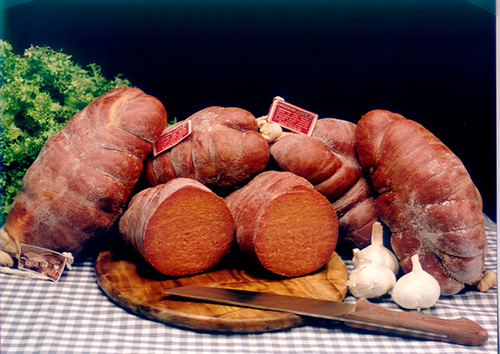 Among the most typical ingredients are pork and its by-products. One of the most typical is sobrasada (sausage with meat, bacon and plenty of paprika), which is consumed in different ways: in Mallorca it is baked and roasted, and in Menorca it is fried (sometimes served with honey). There are other sausages, such as camaiot, butifarra (botifarró) and xolís (of peasant origin). Among the seafood of all kinds, it is worth mentioning the so-called sea dates (mollusks with the shape and color of dates) and the escupinyas (mussels exclusive to Menorca).
The consumption of game and poultry is abundant, used for broths and stews. Chickens, chickens, turkeys and pigeons are mainly consumed roasted. Hares, rabbits and hedgehogs are served with rice. In fact, if rabbit blood is mixed with rice, we have one of the star dishes of Mallorcan gastronomy: arròs brut. Lard (saïm) is widely used, which is far superior to olive oil in the preparation of cooked dishes.
Fish cooking. With more than 60 varieties of indigenous fish dishes such as soups and broths, calderetas, rice dishes, coca espi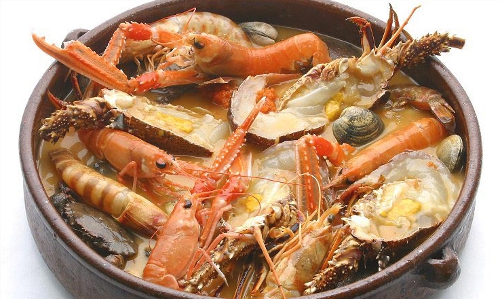 nagada, spinach coca with herring or gerret, fish pies, Sa Pobla potatoes, blond island peppers, purple carrots and other local products. But we cannot forget the fruits of the sea or the meats, bases of the Balearic food.
The different islands have an extensive and varied range of traditional liqueurs, including Palo de Mallorca (Palo de Mallorca geographical denomination), Herbes Mallorquines, Gin de Menorca (Gin de Menorca geographical denomination), Herbes Eivissenques (Herbes Eivissenques geographical denomination) and Frígola.
DESIGNATIONS OF ORIGIN OF THE BALEARIC ISLANDS
Among the protected geographical indications and designations of origin, the archipelago has the following products:
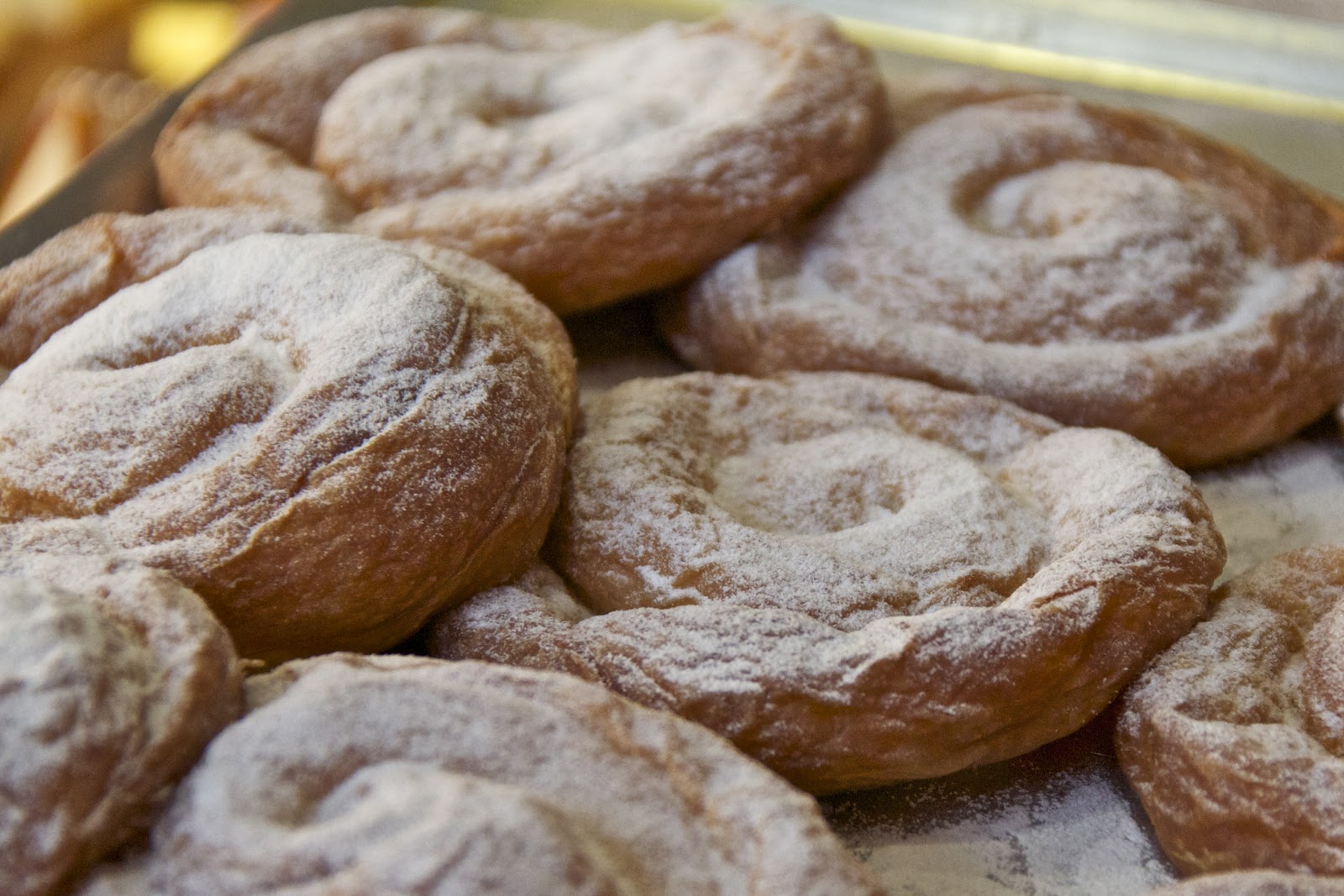
Majorcan Ensaimada: is a food made of sweetened, fermented and baked dough, with its unique spiral shape, which differentiates it from any other type of cake. With Protected Geographical Indication, this confectionery product is made with strong flour, water, sugar, eggs, sourdough and lard (called “saïm” in Mallorcan, and from which the name comes).
 Menorcan Gin: is a spirit drink made exclusively on the island of Menorca, which, due to its historical tradition and differentiated quality, was awarded the geographical denomination Gin de Menorca in 1997. .
Ibicencan Herbs: are an aniseed-flavored spirit made exclusively on the island of Ibiza, which due to its historical tradition and differentiated quality was awarded the Hierbas geographical denomination in 1996.
Amber to green in color, with an aniseed aroma and a variable degree of sweetening.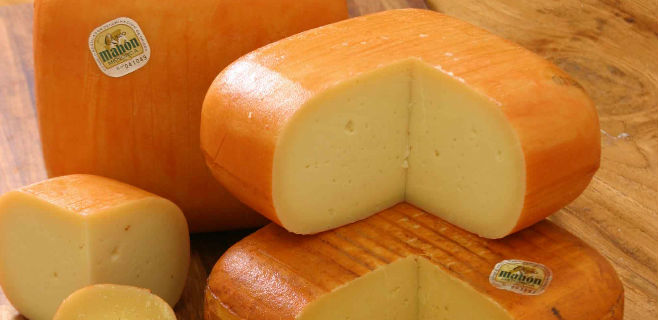
D.O. Maó Cheese: Mahon cheese is a product with Protected Designation of Origin (P.D.O.), and although it is made all over the island, the Minorcan cheese is “Maó”. The origin of its name takes a considerable boost during the British domination, being the port of the capital, from where it was formerly marketed.it is a pressed cheese, made with milk from cows of the Friesian, Mahon or Minorcan breeds and/or Alpine brown, eventually admitting up to a maximum of 5% of sheep's milk of the Minorcan breed. Among the Mahón cheese, there are two main groups: “Mahón Artesano” and “Mahón”.
Wines DO Pla i Llevant: cover the central and eastern areas of Mallorca, one of the areas of the island with the longest winemaking tradition, as vines have been cultivated in this territory since Roman times.
Red, white, rosé, liqueur, sparkling and semi-sparkling wines are produced.
Palo de Mallorca: en a typical spirit of the island of Mallorca obtained by maceration and/or infusion of cinchona bark and gentian, with caramelized sucrose, sugar, water and ethyl alcohol of agricultural origin. Palo de Mallorca is protected with the Geographical Denomination “Palo de Mallorca”. The palo is a very consumed aperitif in Mallorca, which is mixed with soft drinks, being the most common combination the palo with siphon. 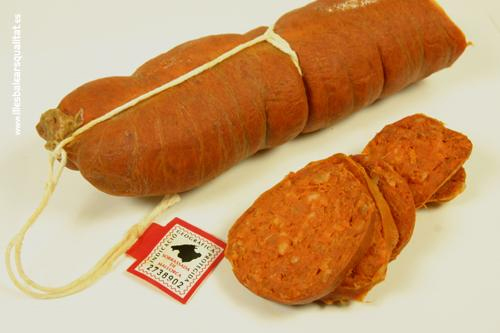
The sobrasada of Mallorca: is a cured raw meat product, made from selected pork meats, minced, seasoned with salt, paprika and black pepper. This sausage with a protected geographical indication is stuffed into casings and matured slowly and carefully according to the experience acquired from generation to generation.
It has an irregular cylindrical shape (determined by the morphology of the casing), a dark red surface (smooth or slightly rough) and a delicate red marbled appearance when cut. In the mouth it is characterized by a high deformability, adhesiveness and granularity; it has a very unctuous and cohesive texture and the characteristic flavor and aroma, with a clear perception of paprika.
TRADITIONAL DISHES OF THE GASTRONOMY OF THE BALEARIC ISLANDS
Sopes mallorquines: The Mallorcan soups are a simple and healthy dish that offers us the opportunity to taste products from the garden depending on the vegetables available. It admits variants with meat, mushrooms and other vegetables.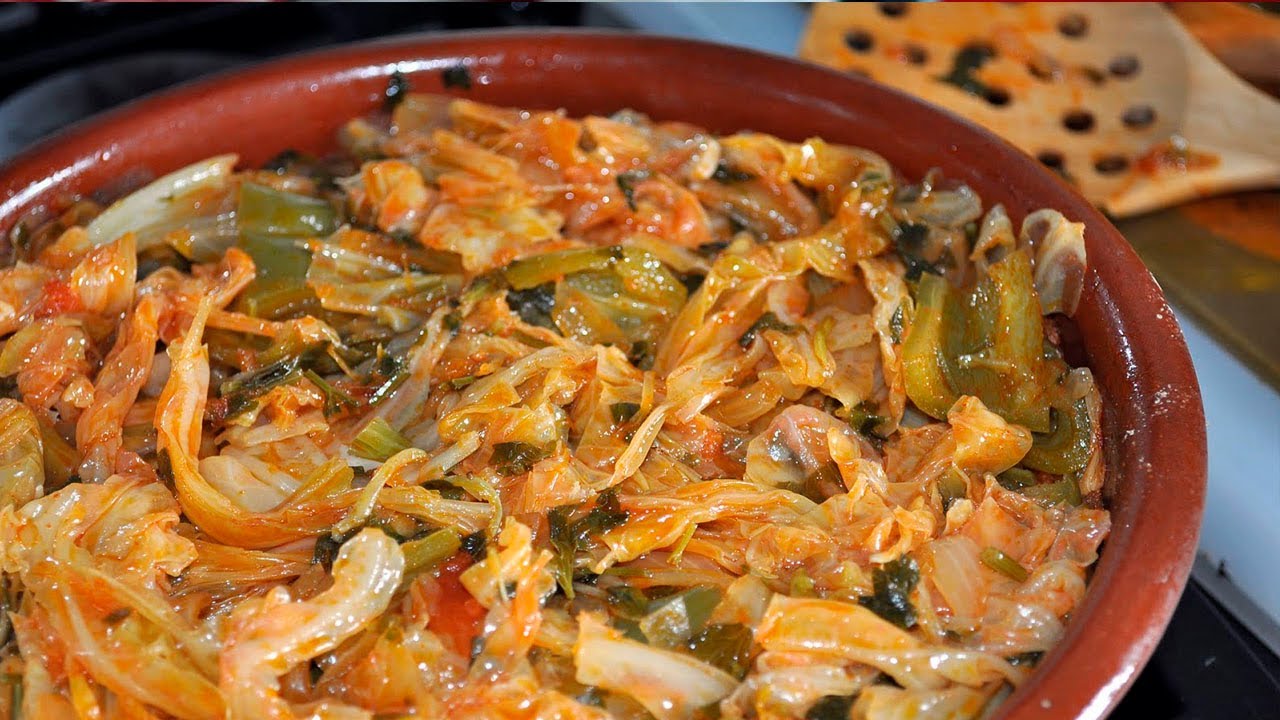 Frito mallorquín: The Mallorcan frito is a traditional Mallorcan dish. Traditionally made from the meat, offal, liver and cooked blood of the pig, lamb, kid and even turkey.
The dish is a frying in olive oil of the meat with potatoes, onion, tomato and red bell pepper. It is usually seasoned with salt, cinnamon, cloves, chilli, pepper, garlic, fennel and bay leaf. It seems to have a Sephardic origin, as it has similarities with the Judeo-Sephardic and Arabic stew.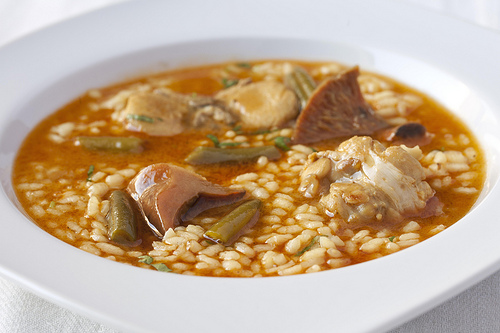
Brut rice: The Arròs Brut o Brown Rice is one of the most typical dishes of Mallorca. It is a brothy and spicy rice, originally cooked with garden produce, meat and game. The ingredients vary according to the selection of the product that offers every season, standing out the rice brut of esclata-sangs or the one of slaughters.
Robiols: Rubiol is a sweet or salty pastry, of medieval origin, typical of Mallorca and Menorca. It consists of a thin piece of flour dough, mixed with oil, butter and egg, folded in a semicircular shape and filled with cottage cheese, jam or other sweets. It is a typical food of the Christian Easter holidays.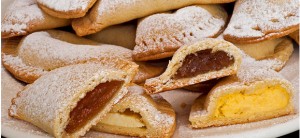
Llagosta stewCaldereta de llagosta: The caldereta de llagosta is the typical dish of Menorca. On a bottom of fried onion, tomato, garlic and parsley, the lobster is added and cooked over high heat. It is served with very thin slices of dry bread, which are also very tasty.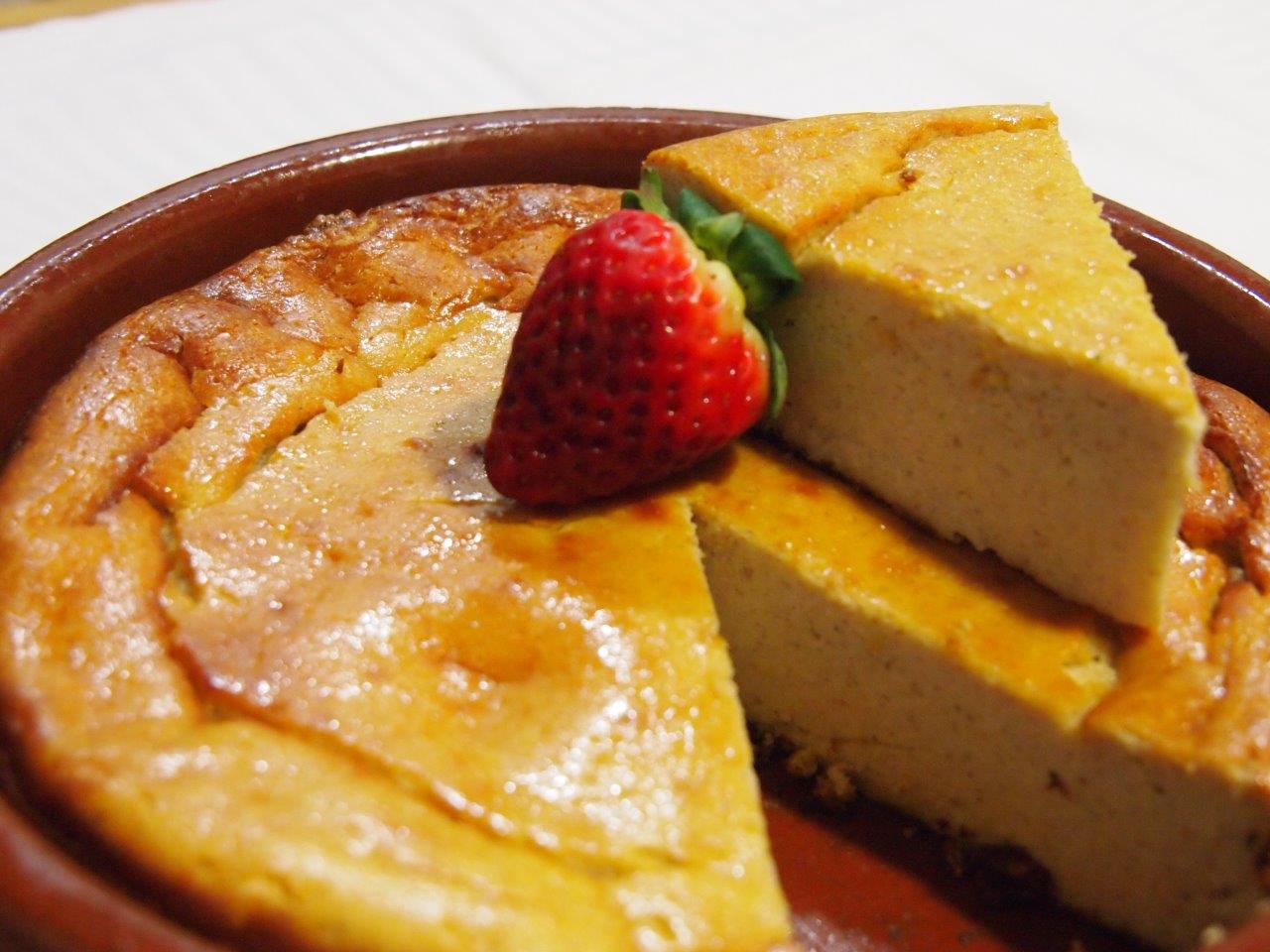 also common in Menorcan soups.
Greixonera: This greixonera recipe is a typical Ibizan dessert made with ensaimadas from the day before. It is part of the menu of almost every restaurant on the island, but there is nothing like preparing it at home. It is so easy to make and has such simple ingredients that there is no excuse not to try it.
The truth is that every time I make it I think about how complicated I get sometimes, when I can prepare recipes as affordable as this one. Just unmold it and see how the caramelized sugar slowly spreads is already a real temptation.
Tell us what you thought of this article, please rate (1 TO 5 STARS).


