


Although it is impossible to tell the whole history of our kitchen in a brief way, we have tried to summarize in three parts the most interesting and important points, in order to have an easy outline to help us understand why Spain , has a exceptional cuisine, I am proud of the variety, richness and quality of products and recipes, as well as of a first class restaurant sector, with restaurants and Chefs of international prestige. I hope you like it!
HISTORY OF SPANISH CUISINE: ORIGINS.
As a result of the succession of cultures that have inhabited the Iberian Peninsula, we have an immense variety in terms of: music, art, language and of course, gastronomy.
The geographical situation of Spain, has made certain products to be main products in our meals, due to the great variety that is offered to us. One of these cases is the fish, being a peninsula and therefore almost completely surrounded by water, this food has been consumed by fishing since ancient times. Thanks to the large expanse of valleys and mighty rivers that filter water in order to sustain irrigation, we can count on a multiplicity of vegetables and fresh fruit in every season. Or the renowned Spanish hams, which are cured in the mountains of the Peninsula.
From the settlement of Phoenician, Greek or Carthaginian colonizations to the present day, Spanish gastronomy has constantly evolved over the centuries.
The Phoenicians and Greeks, They spread the cultivation of vines, wheat and barley and therefore began to produce wines, bread and beer (which at that time was a kind of barley juice) as they saw the need to provide an outlet for surplus grain that would spoil if not consumed. The Romans followed in their footsteps. Until the 2nd century B.C., Roman cuisine was based on basic foods: peas, sheep's milk cheese, lamb meat, cabbage and fruit. But, at the beginning of the 2nd century BC, the Romans entered Asia Minor and discovered the refinement of the Greek courts of the East. From that moment on, the preparation of meals began to become long and expensive. The services of cooks, work performed by slaves, began to be paid much more.
As the years went by, man discovered new foods, ways of preserving them and ways of consuming them. Food went from being a daily necessity to a palate thrill, as the Romans held feasts and banquets in honor of food. They sought out new animals, unusual mixtures and beverages to awaken their interests as early gourmets.
Although they were undoubtedly the Arabs, They introduced light condiments applied to different dishes, just as they began to combine fruits or nuts in fish or meat dishes, creating other flavors to meals, saffron; citrus fruits such as oranges, lemons or grapefruit, vegetables such as eggplants, artichokes or rice; watermelons; melons; pistachios and dates are some of the many gastronomic contributions that they left us until today.

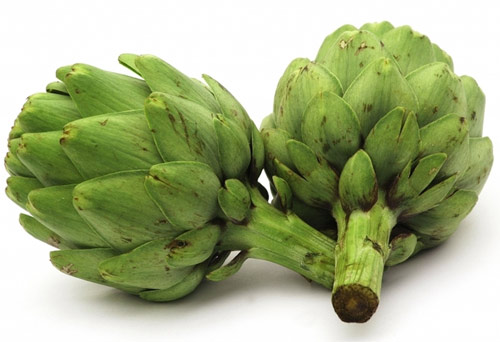
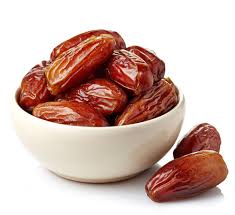
Years later, with the formation of Christian kingdoms, In the early days, pork dishes began to be prepared, since this food was forbidden for both Jews and Muslims.
The Christians made full use of the animal, they did not get rid of any remains, the parts of the pig that the rich did not like, they fed the poor. To this, we must add some of the gastronomic customs that we have preserved to this day, for example, they prepared special dishes for Lent (without any other animal meat other than fish) or the invention of torrijas (French toast).
The year 1492 was a year that changed the peninsula in many ways, not only was it the triumph of the Reconquest, but also the gastronomy of the country, which took a huge turn. after discovering the new continentThe first of its kind: America and therefore, a great variety of products, spices and new ways of elaborating dishes were added to our meals. Little by little, products such as potatoes, tomatoes, vanilla, paprika, oats, legumes or chocolate were integrated into our Spanish diet. Many of them, indispensable products in our dishes such as potato omelette, lentils with chorizo, gazpacho, fabada asturiana or the typical chocolate with churros.
Tell us what you thought of this article, please rate (1 TO 5 STARS).


